The Rise of AI Deepfake Insurance Scams
Artificial intelligence has transformed nearly every industry, but one of its darkest applications is now threatening the financial backbone of trust: insurance. From faked accidents to fraudulent claims backed by hyper-realistic video evidence, AI-driven deepfakes are opening a new frontier in white-collar crime — one that’s nearly impossible to detect with the naked eye.
A New Breed of Insurance Fraud
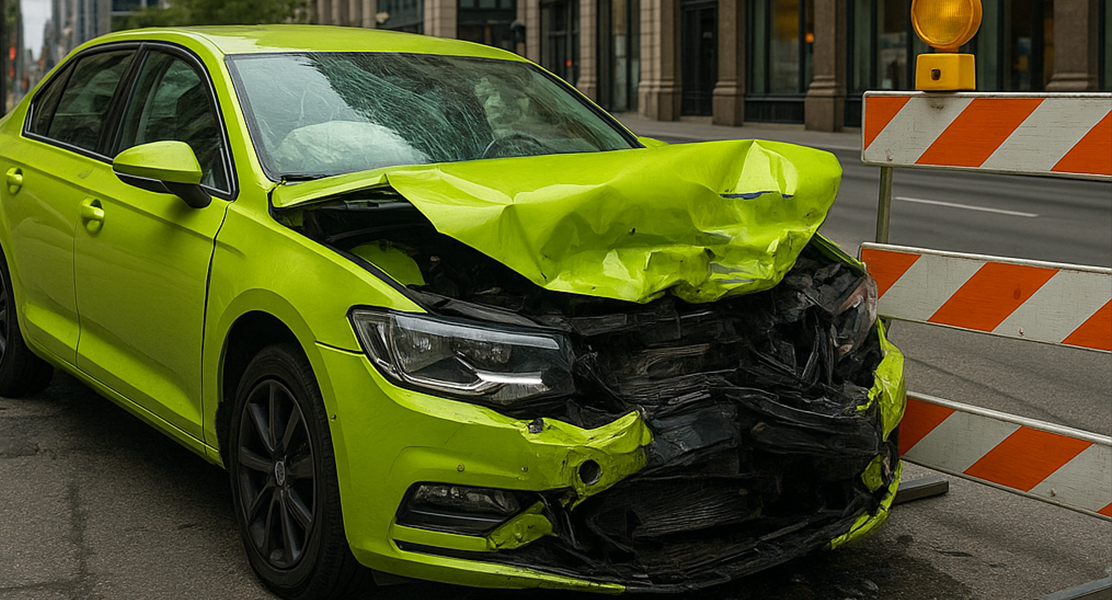
Traditional insurance scams once relied on staged car crashes, falsified injury reports, or exaggerated damage claims. Now, scammers can generate convincing “proof” without ever leaving home. Using generative AI models, fraudsters can fabricate videos of car collisions, property fires, or even medical procedures with astonishing realism. These synthetic visuals are then used to support false claims, targeting both private insurers and government benefit systems.
Deepfake technology also extends to identity manipulation. Criminals can clone the voice and likeness of policyholders or adjust recorded interviews with claims adjusters. Some scammers have even used AI-generated voices to impersonate victims or family members, reinforcing elaborate narratives that bypass human skepticism and traditional fraud filters.
How Deepfakes Deceive Insurers
Modern AI tools can blend real footage with synthetic scenes to produce a seamless illusion. A real photo of a car, for example, can be digitally “damaged” to look totaled — complete with reflections, lighting consistency, and debris patterns. Deepfake detection systems often struggle to distinguish such content, especially when it’s compressed or uploaded in standard file formats.
Moreover, the rise of AI-assisted identity theft has amplified these threats. By faking driver’s licenses, video calls, or voice confirmations, scammers can open insurance accounts, file claims, or even redirect payouts — all under fabricated identities. The convergence of synthetic media and stolen personal data has created a nearly untraceable fraud ecosystem.
The Economic and Ethical Fallout
The financial cost of AI-enabled fraud is staggering. Analysts estimate that digital fraud across the insurance sector could exceed billions annually as generative AI becomes mainstream. But the damage isn’t only monetary — it undermines the very trust that insurance depends on. Policyholders face stricter verification processes, legitimate claims are delayed, and premiums rise across the board.
The ethical dimension is equally troubling. Deepfakes blur the line between real and fabricated human suffering. Faked injury videos and AI-manipulated testimonies exploit empathy for financial gain, eroding confidence in legitimate victims.
Combating the Threat
Insurers are now investing in advanced forensic AI to detect tampering, analyze pixel inconsistencies, and verify metadata. Blockchain-based verification and cryptographic signatures — embedding unique digital watermarks into legitimate content — are emerging as powerful countermeasures. These methods make it easier to confirm whether an image or video originated from an authentic device or was synthetically generated.
Governments and regulatory bodies are also beginning to respond. Some jurisdictions are pushing for mandatory disclosure of AI-generated content and severe penalties for synthetic-media fraud. Yet, legislation continues to lag behind the technology’s pace.
The Road Ahead
AI deepfakes have exposed a major vulnerability in the insurance industry’s digital evolution. As criminals innovate faster than compliance frameworks can adapt, insurers must evolve from reactive verification to proactive authentication. The future of fraud prevention will depend not only on technology, but on collaboration — between insurers, regulators, and the tech community — to ensure that truth itself remains insurable.